




June 1, 2026
June 1, 2026
Protected:
Mel Brooks and THE ELEPHANT MAN – AFI Catalog Spotlight
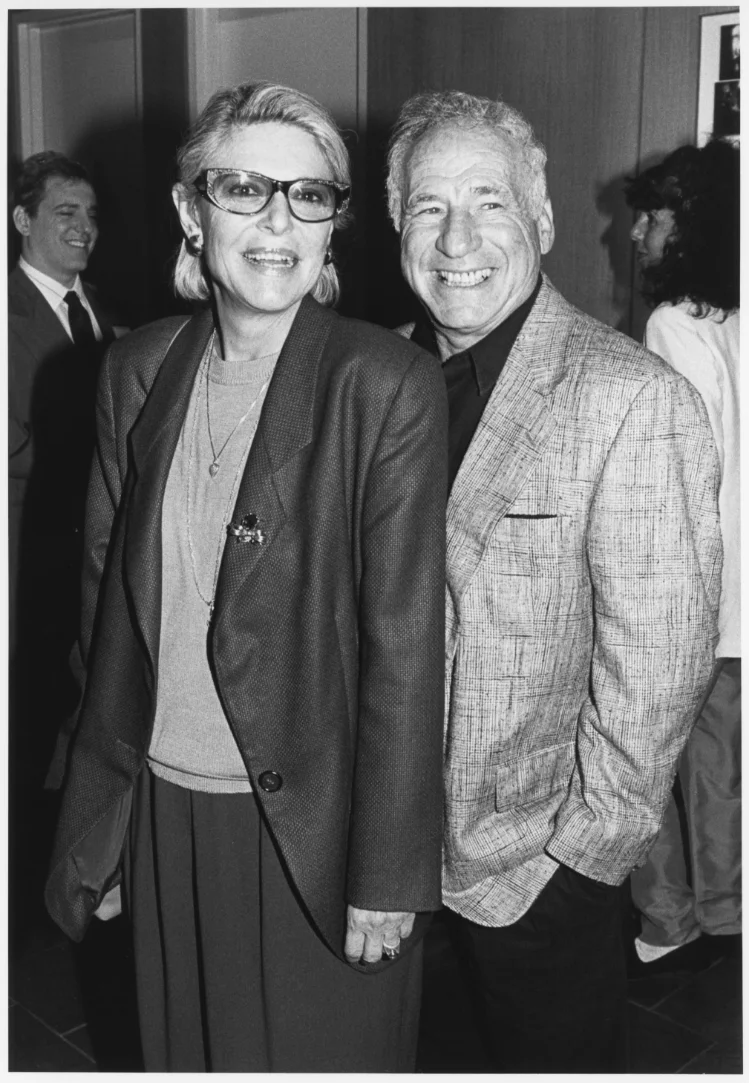
In celebration of Mel Brooks’ 100th birthday on June 28, the AFI Catalog and AFI Archive spotlight a lesser-known but essential chapter in his career – his uncredited role as a producer and champion of independent filmmakers. Though best known as a groundbreaking comedy filmmaker, Brooks often chose to remain behind the scenes in support of the artists he believed in. Many of these artists were directly associated with AFI, including his wife Anne Bancroft (AFI DWW Class of 1975), Stuart Cornfeld (AFI Class of 1975) and David Lynch (AFI Class of 1970). Through his company, Brooksfilms, Brooks declined onscreen credit so as not to overshadow the work with his comedic persona.
Demonstrating his commitment to the art of film, Brooks backed the production of THE ELEPHANT MAN (1980) and took a chance by hiring a young David Lynch for his Hollywood feature debut after Lynch had made an experimental AFI Thesis Film, ERASERHEAD (1977).
The unusual pairing of Brooks and Lynch on THE ELEPHANT MAN – a collaboration Lynch referred to as “one of the great mysteries of life” – inspired the AFI Catalog and AFI Archive to explore AFI’s unique collections of primary sources to reveal the backstory of the film and Mel Brooks’ critical role in guiding it to the screen.
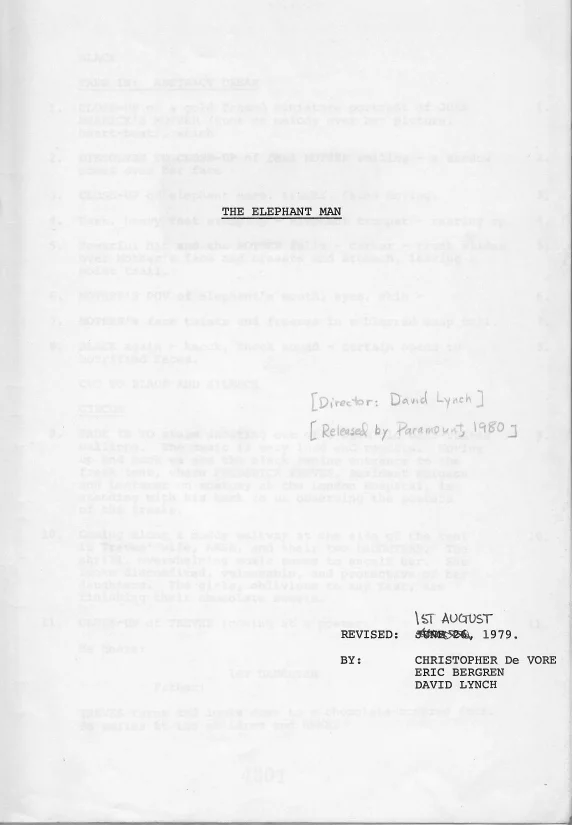
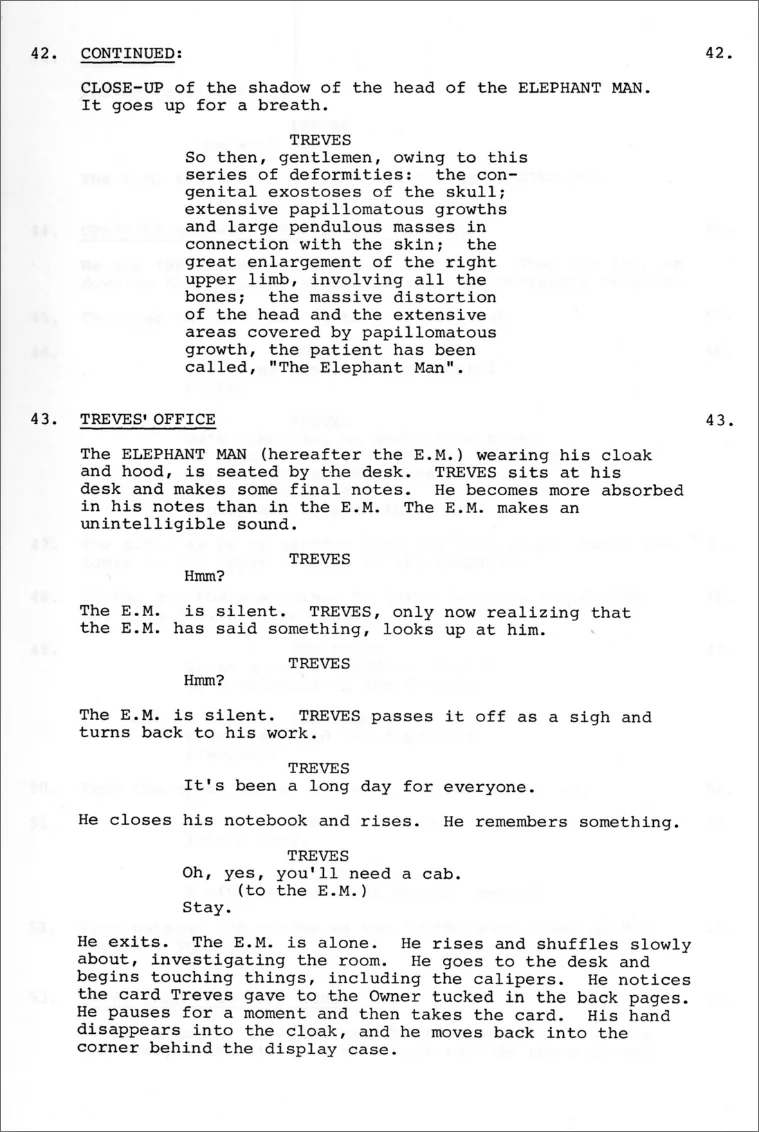
As documented in the AFI Catalog, producer Jonathan Sanger was introduced to THE ELEPHANT MAN screenplay in 1978 through Kathleen Prilliman, a caretaker of his sons, whose partner, Christopher De Vore, co-wrote an early draft with Eric Bergren. Sanger believed strongly in the project and optioned the property for one year at $1,000 as his first feature film.
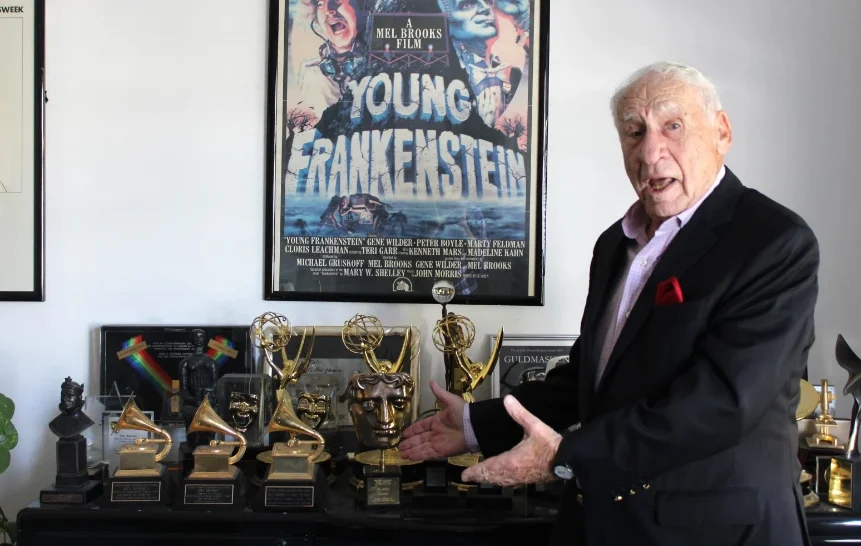
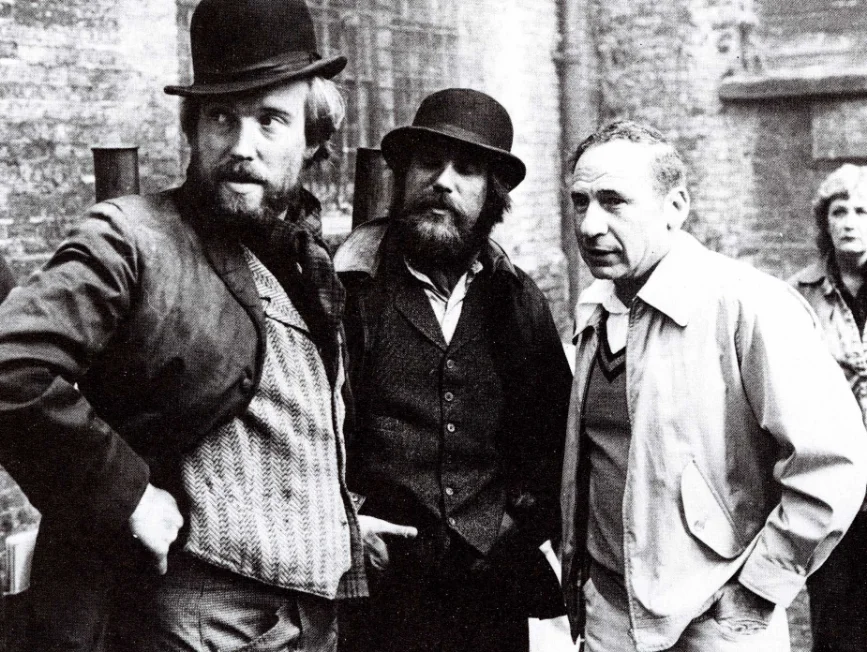
Stuart Cornfeld’s Schaffner Award Speech at the 42nd AFI Life Achievement Award Tribute to Mel Brooks.







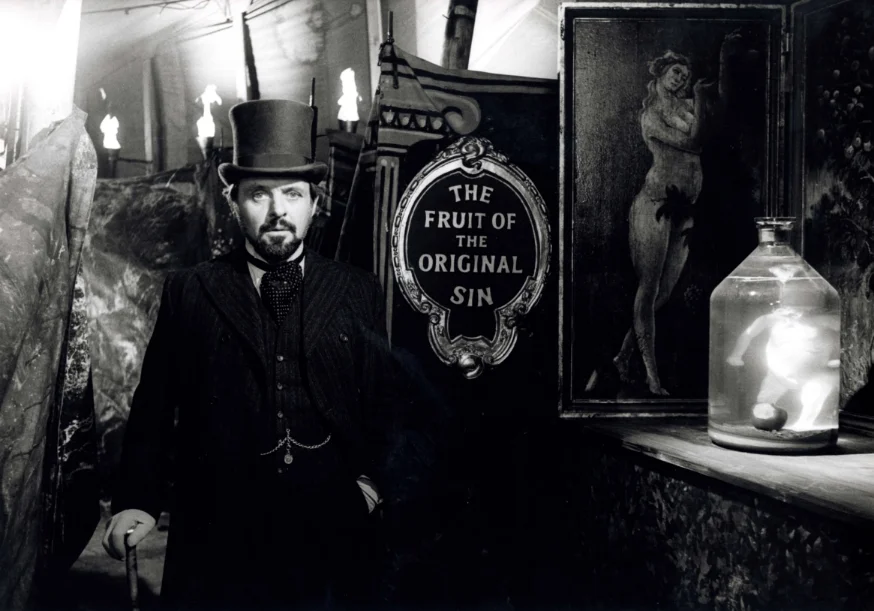
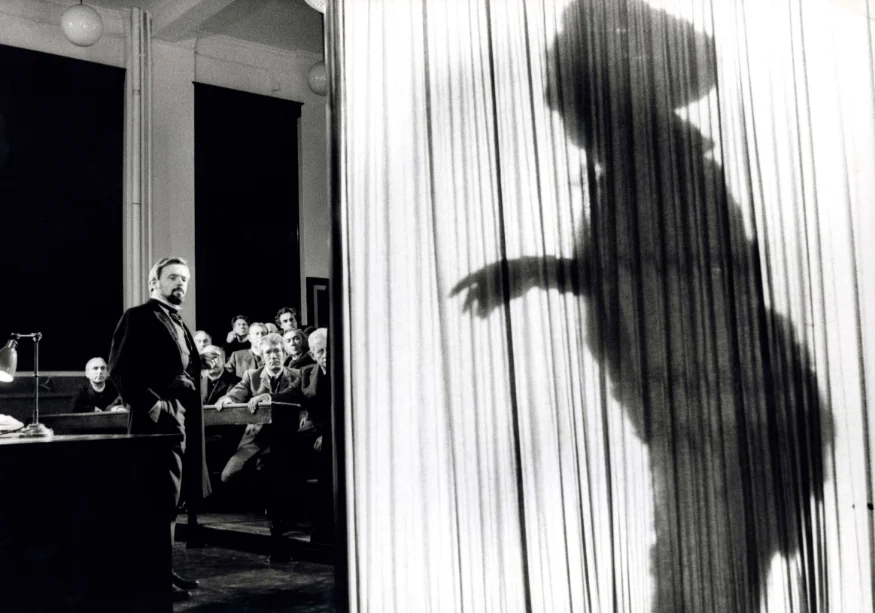
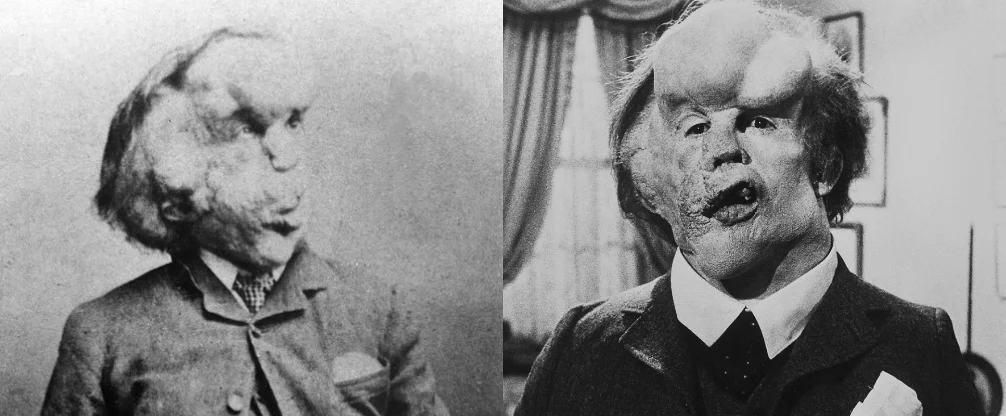
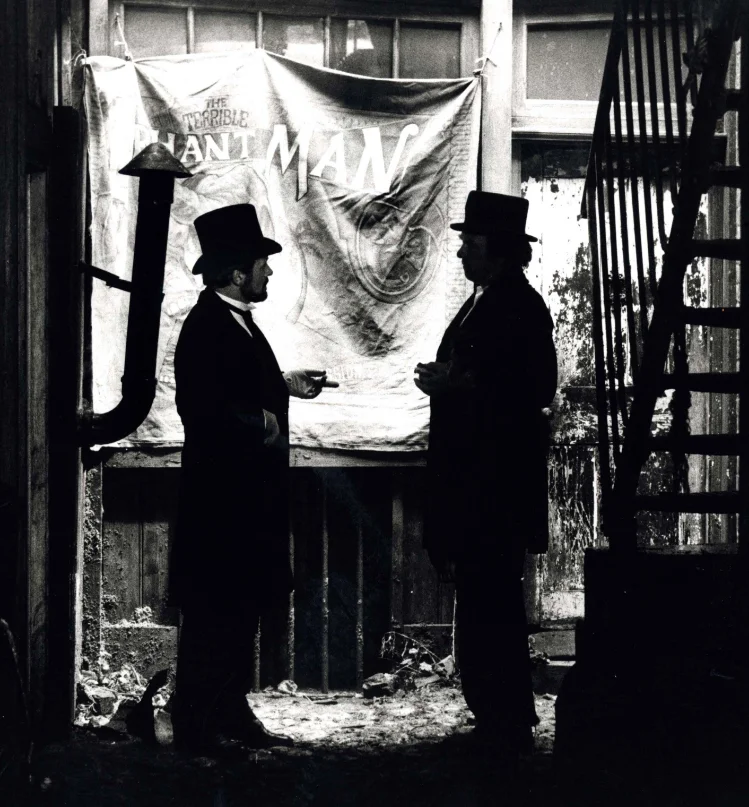
THE ELEPHANT MAN was based on true events in the life of Joseph Merrick, whose name was changed to John Merrick in the film. Living in 1880s London with severe physical deformities, Merrick survived exploitation as a “freak show” exhibit before becoming a subject of fascination within Victorian operating theaters. He went on to charm high society with his unique intellect and artistic talents.
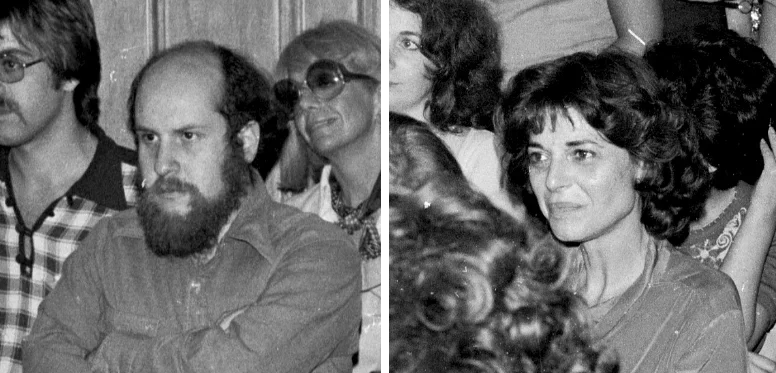
Around the time Sanger optioned THE ELEPHANT MAN, he began working as unit production manager and associate producer of FATSO (1980), Anne Bancroft’s debut feature as a writer and director, and the first film released through Brooksfilms. FATSO had previously been developed as a short film while Bancroft attended AFI’s Directing Workshop for Women (now AFI DWW+) and was produced by Stuart Cornfeld, who was an AFI Fellow at the time.
Through the AFI connection, Cornfeld became Brooks’ assistant and later executive producer of THE ELEPHANT MAN, as well as producing other Brooksfilms, including THE FLY (1986). Around the same time, Sanger had worked as Brooks’s assistant director on HIGH ANXIETY (1977).
According to the AFI Catalog and Sanger’s book, “Making The Elephant Man: A Producer’s Memoir,” Bancroft gave him a mandate on FATSO to fill as many key positions as possible with female filmmakers, and the picture marked the first time a woman (Brianne Murphy) was hired as director of photography on a feature film by a major Hollywood studio. Murphy, an AFI DWW+ Alum, later became the first female member of the American Society of Cinematographers (ASC). Bancroft went on to lend her prestige and talent to THE ELEPHANT MAN, performing the role of Victorian actress and socialite Mrs. Kendal.
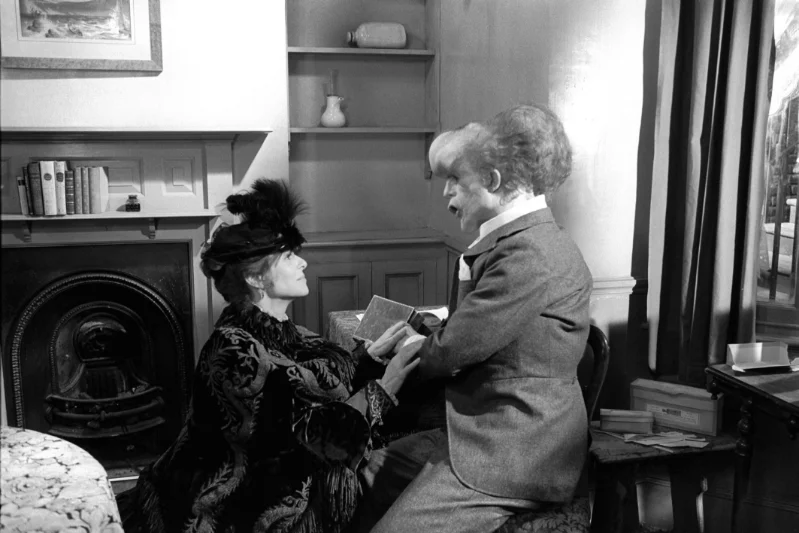
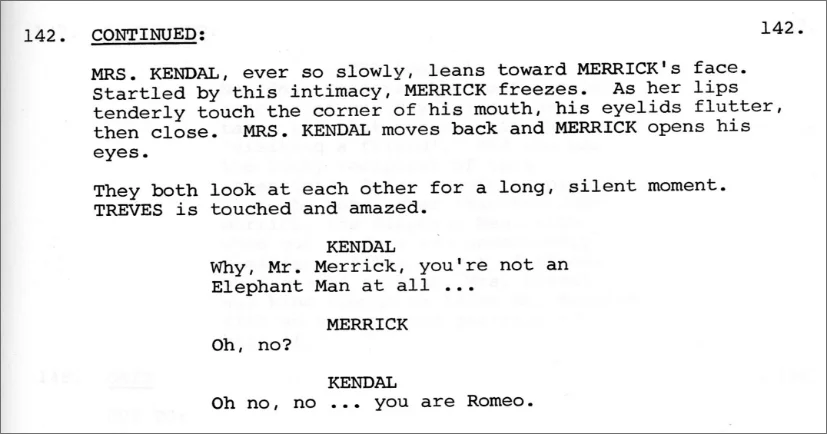
When FATSO relocated to New York for shooting, Sanger gave a copy of THE ELEPHANT MAN script to Brooks’s secretary, Randy Auerbach, who passed it along to Brooks for weekend reading. Brooks reportedly wept after finishing the script, and a deal was negotiated upon Sanger’s return. Back in Los Angeles, Cornfeld encouraged Sanger to attend a midnight screening of ERASERHEAD, then playing at the small arthouse Nuart Theatre. Sanger arranged a meeting with Lynch shortly thereafter. Brooks recognized Lynch’s potential, and hired the director after viewing ERASERHEAD despite, or perhaps because of, its dark and challenging narrative.
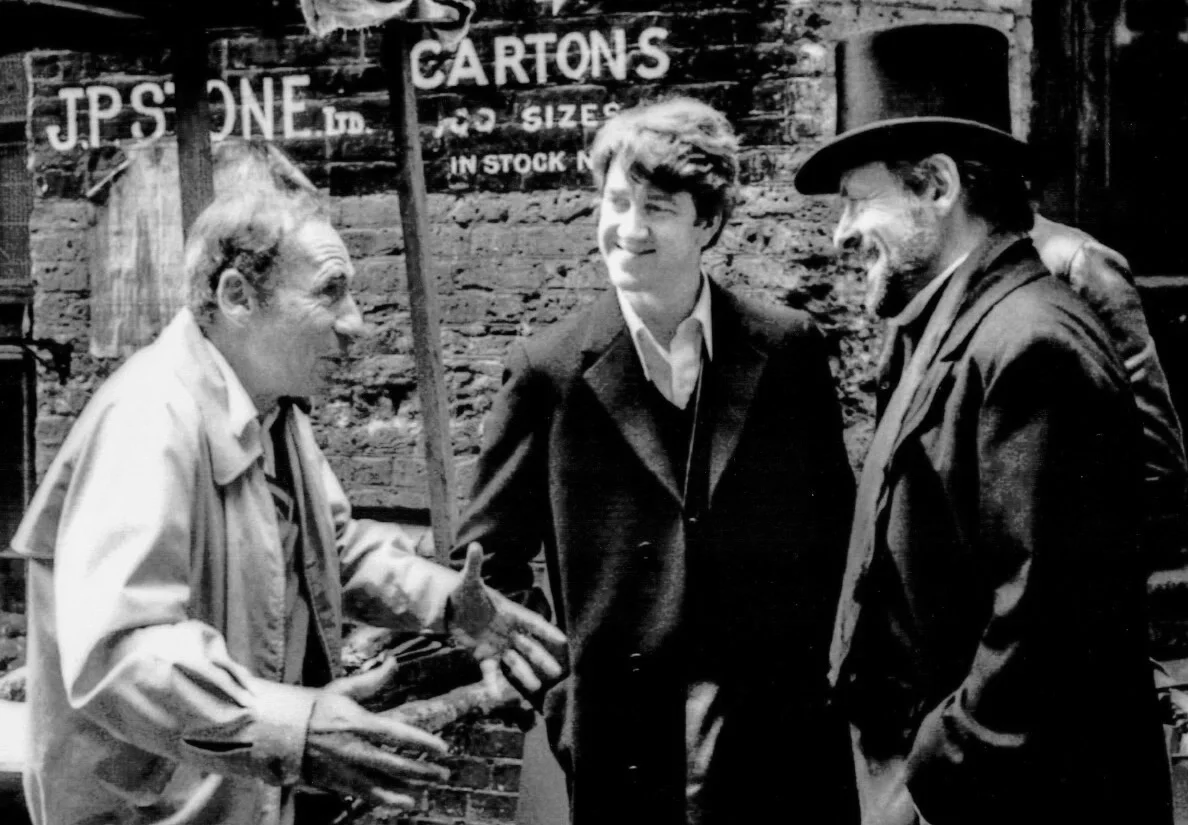
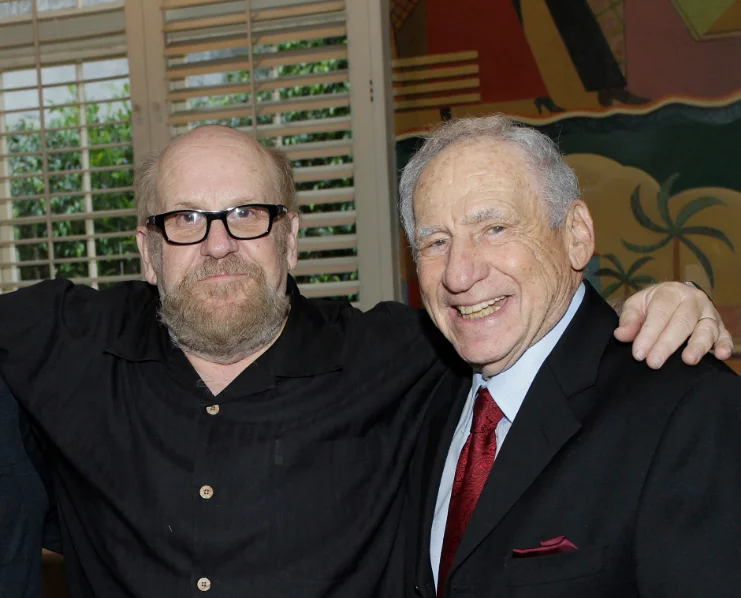
According to a 1987 interview with Cornfeld in AFI’s legacy magazine, American Film, even Brooks had a hard time convincing studio executives to take on the project. After a series of rejections, Cornfeld recalled:
“Mel and I had a meeting with Freddie Silverman, who was head of NBC at the time. The reason THE ELEPHANT MAN was made was that Mel committed to do a network special – even though he has said he wanted to stay out of television – in exchange for our deal. We got two million upfront and two million from NBC when ELEPHANT MAN aired. EMI put up some money and Paramount gave us some for completion.”
– Stuart Cornfeld
(AFI Class of 1975)
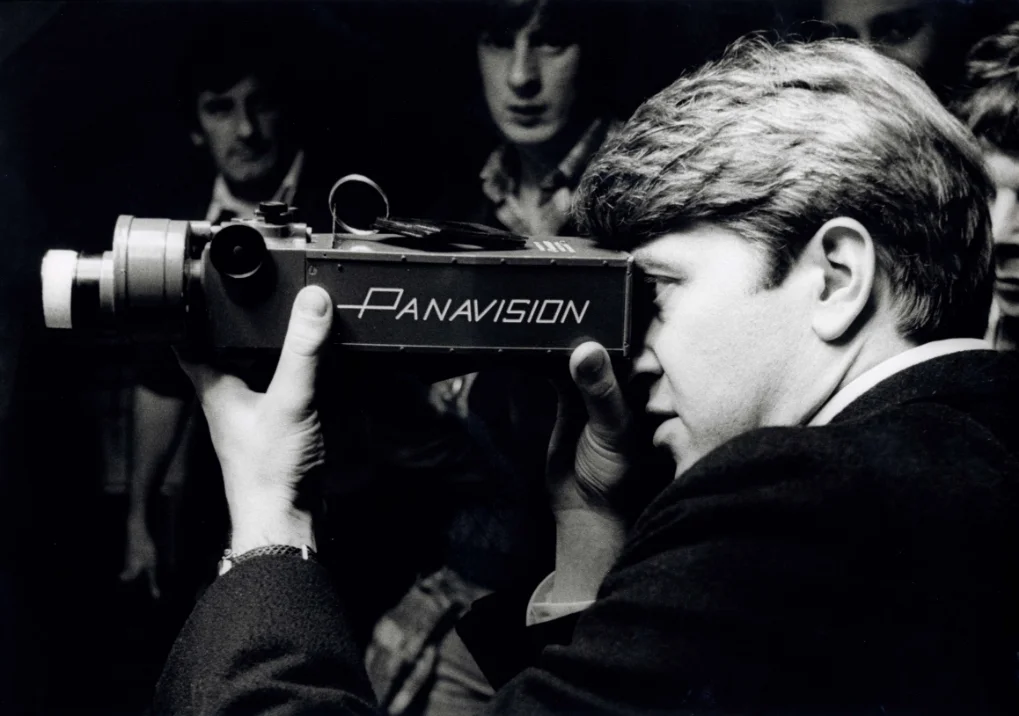
Made for $5 million, THE ELEPHANT MAN became both a critical and commercial success, earning over $26 million at the U.S. box office and earning six Academy Award® nominations, including Best Film Editing for Anne V. Coates. The editor, who previously won an Oscar® for editing the epic classic LAWRENCE OF ARABIA (1962), would later give a seminar at AFI about her work on THE ELEPHANT MAN.
THE ELEPHANT MAN also helped inspire lasting change within the film industry itself. In 1980, the Academy did not have a competitive award category for makeup, and its oversight of the film’s designer, Christopher Tucker, resulted in such widespread criticism that the Best Makeup honor was established the following year.
Mel Brooks has long been known to his fellow filmmakers as an unwavering advocate for artistic license and creative freedom, and he stood up to the Hollywood establishment in defense of Lynch’s unconventional vision in THE ELEPHANT MAN.
Recalling the film’s development while accepting AFI’s Franklin J. Schaffner Alumni Medal in 2013, Cornfeld recalled Paramount executives pressuring the filmmakers to trim THE ELEPHANT MAN by removing its dreamlike and experimental elements. Brooks refused. Cornfeld remembered how Brooks leveraged his power with humor, as Brooks told executives:
“We are involved in a business proposition. We screened the film for you to bring you up to date as to the status of that business project. Do not misconstrue that as our soliciting the input of raging primitives.”
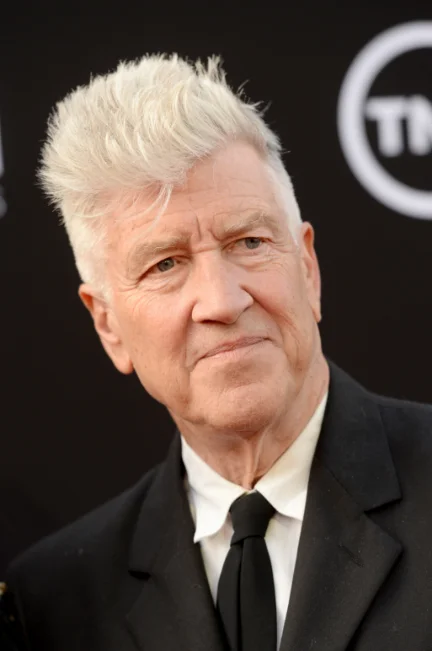
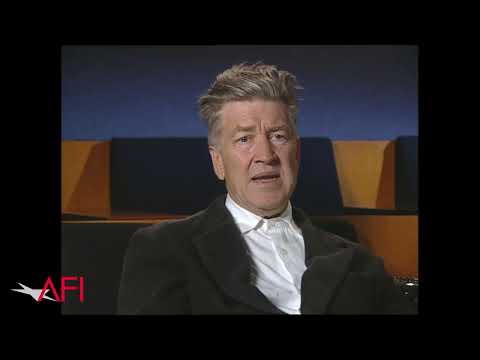
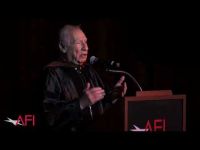
In 2012, Brooks and Lynch reunited at AFI when both were venerated with honorary doctoral degrees, and Lynch accepted the award with recognition for Brooks, saying:
AFI put me on the map – Mel Brooks put me on a beautiful mountain. Mel called me Jimmy Stewart from Mars, but he is the crazy one – he picked me to direct THE ELEPHANT MAN. It was my very good fortune that Mel had this insanity.”
– David Lynch
(AFI Class of 1970)
A century into his life, Brooks’ influence extends far beyond comedy. He continues to break down barriers in Hollywood with dedication, whimsy and a touch of “insanity” to amplify the voices of artists who may not have the opportunity to let their work be considered by mass audiences. For this reason and more, AFI honored Mel Brooks with the AFI Life Achievement Award in 2013.
Happy 100th birthday, Mel!

The AFI Archive is an ongoing program which adds countless new items each year, including exclusive conversations with acclaimed filmmakers and performers captured at AFI, and is on the forefront of state-of-the-art digitization efforts ensuring the stories of today are protected for future generations.
Support the AFI Archive and AFI Catalog to protect the history of film.
Comments (2)



Donate today and join the nation’s strongest community of film lovers.
AFI is a 501c3 non-profit advancing the art of the moving image by empowering storytellers and inspiring audiences

Greg Gonzalez
“Jimmy Stewart from Mars” is maybe the best explanation of who David Lynch is. This was a great read. I have an ever-growing love for the Elephant Man (the movie and the man).
Azalia Snail
Fascinating article! Immaculately researched and written by Sarah Blankfort Clothier🌟