




August 1, 2026
July 24, 2026
Protected:
Halle Berry and INTRODUCING DOROTHY DANDRIDGE – AFI Catalog Spotlight
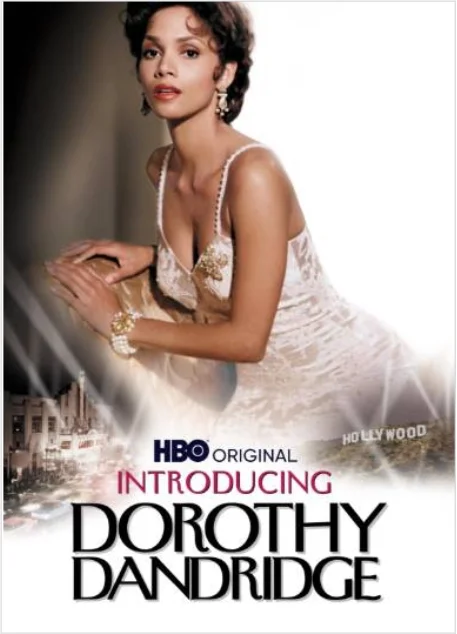
When AFI Trustee Halle Berry won her Academy Award® for MONSTER’S BALL (2001) – becoming the first Black actress ever to earn that accolade for a leading role – she dedicated the moment to “every nameless, faceless woman of color that now has a chance because this door tonight has been opened,” citing in her remarks the legendary Dorothy Dandridge, Lena Horne, Diahann Carroll and others. To mark Berry’s milestone birthday this month – as well as her heroic ongoing efforts to elevate and celebrate the stories of remarkable women of color – AFI revisits INTRODUCING DOROTHY DANDRIDGE (1999), one of the star’s defining early roles and the realization of a personal mission to preserve Dandridge’s legacy.
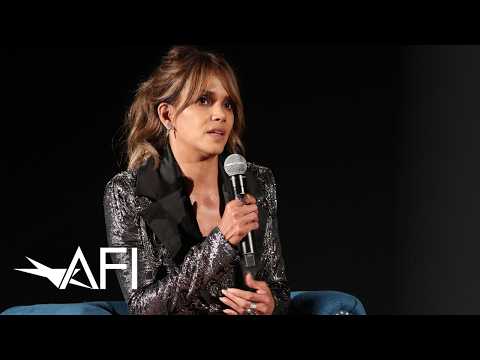
Halle Berry on Dorothy Dandridge


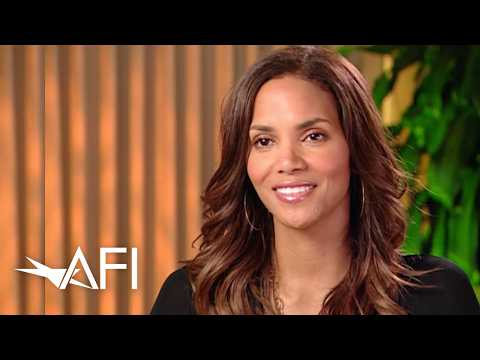






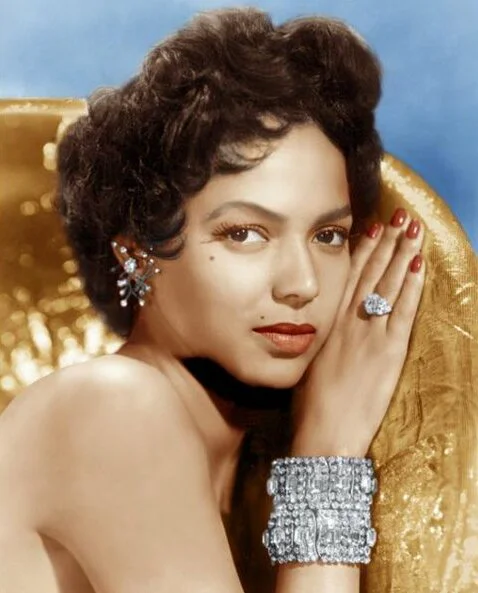
Dandridge’s pioneering film career began in the 1930s – and she would go on to become the first person of color ever nominated for an Academy Award® in a leading role, for CARMEN JONES (1954). Even before Berry followed in Dandridge’s footsteps with an Oscar® milestone of her own, she saw the similarities between their experiences in Hollywood – navigating an industry and a cultural landscape that often equated beauty with whiteness.
“There are so many parallels between my life and her life, so I really understood her struggle. The well was deep when I went to get the tools to play her,” she said. “Her life has, in many ways, been my life. Her struggle has been my struggle, so it was something that fit on my body. I understood it.”
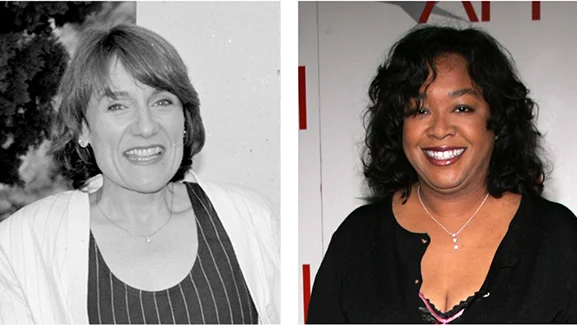
Serving as the film’s producer as well as its star, Berry first optioned Dandridge’s biography in 1996, envisioning an opportunity that would both secure Dandridge’s place among Hollywood royalty and provide the kind of rich leading role that was too rarely available to Black actresses. To bring that vision to life, Berry partnered with director Martha Coolidge and co-writer Shonda Rhimes – AFI Trustee Emerita and a current AFI Trustee, respectively. Well before she would become a juggernaut hitmaker behind such cultural touchstones as GREY’S ANATOMY, HOW TO GET AWAY WITH MURDER and BRIDGERTON, Rhimes co-wrote the screenplay with Scott Abbott (AFI Class of 1991), marking one of her earliest feature film writing credits.
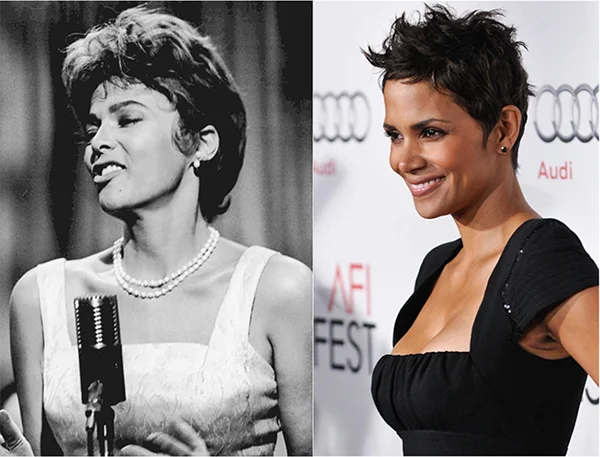
While shopping the property to Hollywood studios, Berry repeatedly found that executives believed that movies about Black women would not generate substantial box-office revenue. In an interview with the Los Angeles Times, Berry said,
“Everyone said it’s a great story and a terrific part, but it will never make any money. They told me, ‘This would make a lot of sense for you, but no sense for us.’”
Rather than abandon the project, Berry found another path. At a time when HBO was redefining the possibilities of original television films, she embraced a distribution model that brought INTRODUCING DOROTHY DANDRIDGE directly into audiences’ homes. The decision secured financing, completed the project and gave Dorothy Dandridge’s story the audience Berry believed it deserved. Years after Dandridge’s untimely death, her remarkable life and career received the spotlight Berry had long envisioned.
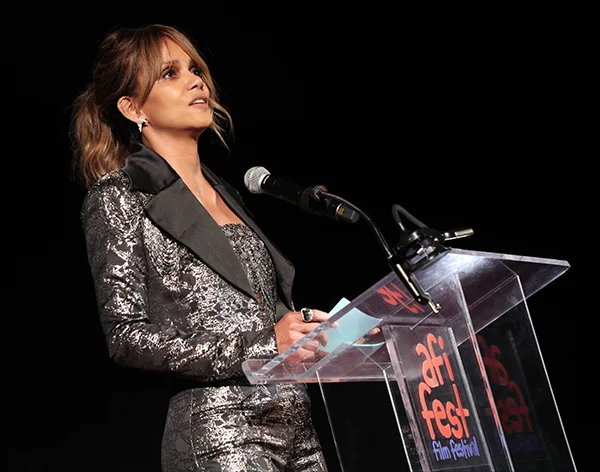
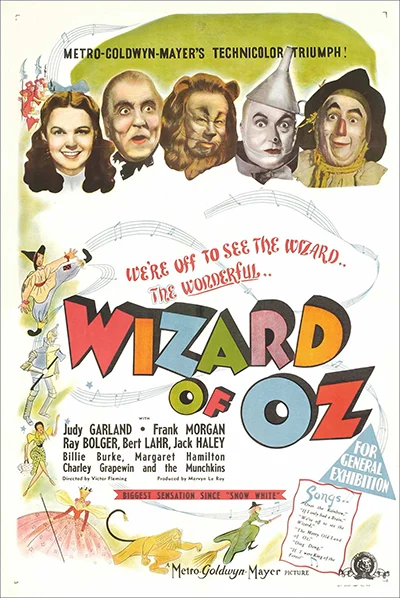
With INTRODUCING DOROTHY DANDRIDGE, Berry was able to step into the shoes of her screen idol and help navigate the entertainment industry toward greater equity, a mission that continues to this day. Referring to another famous Dorothy — this one in ruby slippers — Berry told AFI in 2007 that movies such as THE WIZARD OF OZ (1939) gave her permission to dream of leaving her small-town home and discovering her own resilience.
“I would always have that image of those red shoes clicking together, always telling myself I always have the power,” she said. “I just have to know that I have the power.”
Her perseverance was rewarded when INTRODUCING DOROTHY DANDRIDGE earned widespread acclaim. Berry’s performance as Dandridge won her an Emmy Award®, while the film earned an additional 10 nominations, including Outstanding Television Movie.
Across the following two decades, Berry would continue to break new ground. In 2020, she made her feature directorial debut with BRUISED, which she directed, produced and starred in as MMA fighter Jackie “Pretty Bull” Justice. The film made its World Premiere at AFI FEST 2021, and in a discussion with AFI Trustee Ava DuVernay following the screening, Berry said, “It’s a beautiful experience to share it with other people. It’s important for women to make movies and tell stories from our gaze because it really is very, very different.”
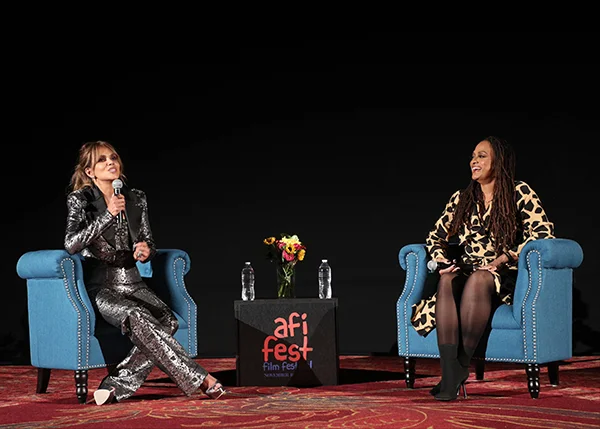
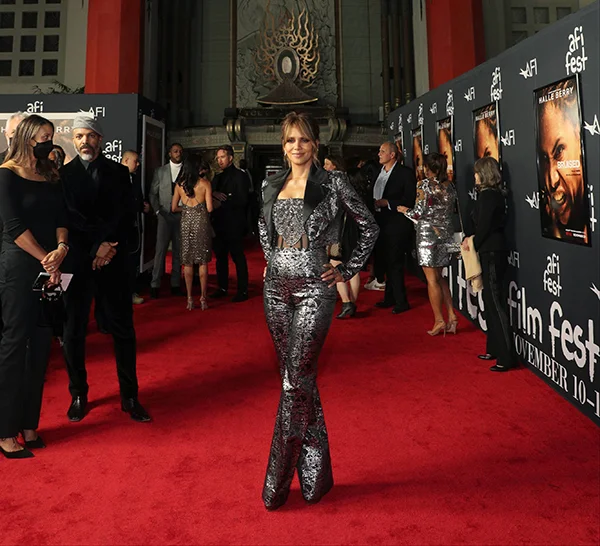
As AFI celebrates Berry’s birthday month, it also celebrates an artist whose work has honored those who came before her while opening doors for those who followed. Through her work both on screen and off, Berry continues to inspire audiences and filmmakers alike.

The AFI Archive is an ongoing program which adds countless new items each year, including exclusive conversations with acclaimed filmmakers and performers captured at AFI, and is on the forefront of state-of-the-art digitization efforts ensuring the stories of today are protected for future generations.
Support the AFI Archive and AFI Catalog to protect the history of film.
Comments (0)



Donate today and join the nation’s strongest community of film lovers.
AFI is a 501c3 non-profit advancing the art of the moving image by empowering storytellers and inspiring audiences
