




September 1, 2026

September 1, 2026
Protected:
JIM HENSON – AFI Catalog Spotlight

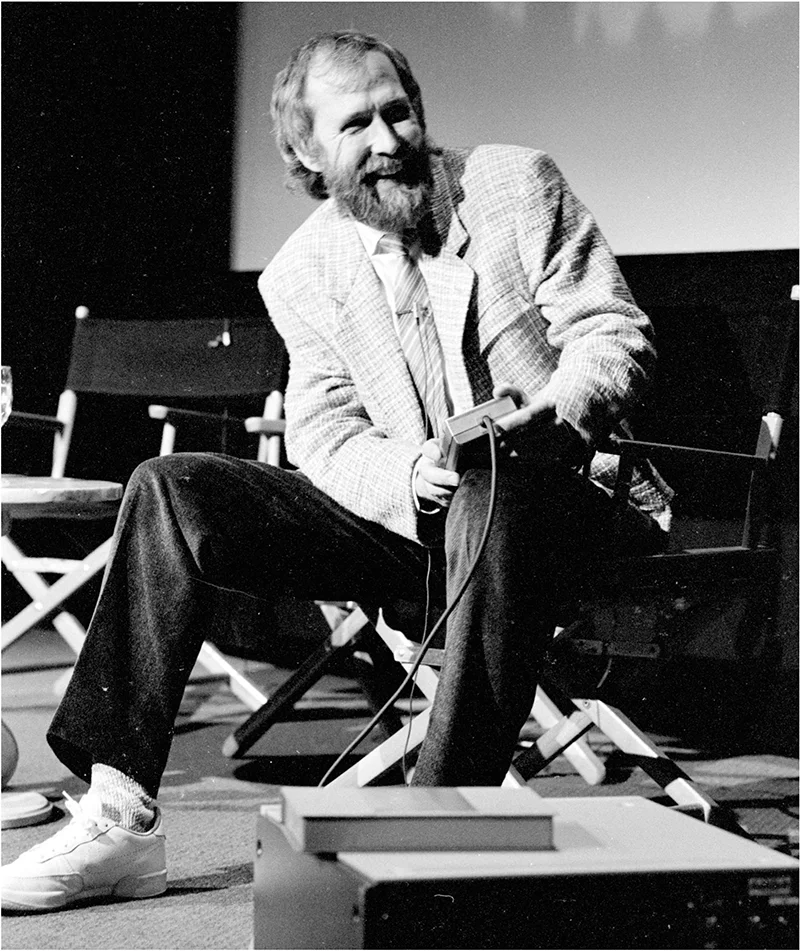
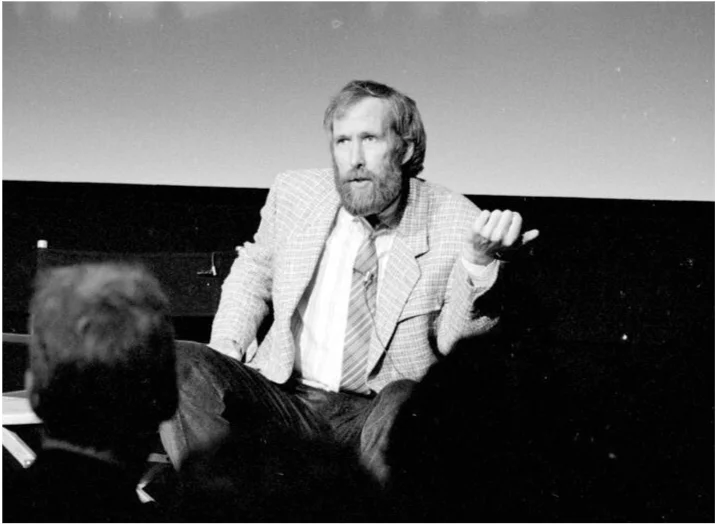
When legendary filmmaker, producer and puppeteer Jim Henson visited the AFI Campus in 1986, he told AFI Conservatory Fellows,
“One of the things that I like to do most is to explore what I haven’t done before: to break new ground. I think that’s always the most exciting thing. It’s always more interesting to try a new show rather than to stay with something that you’ve been doing.”
This month, to mark what would have been Henson’s 90th birthday, AFI looks back at a career defined by restless curiosity and a determination to continually break new ground.
Jim Henson on Working in Film vs. Television


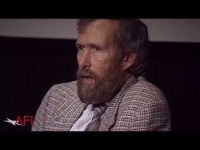

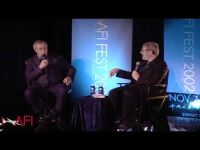


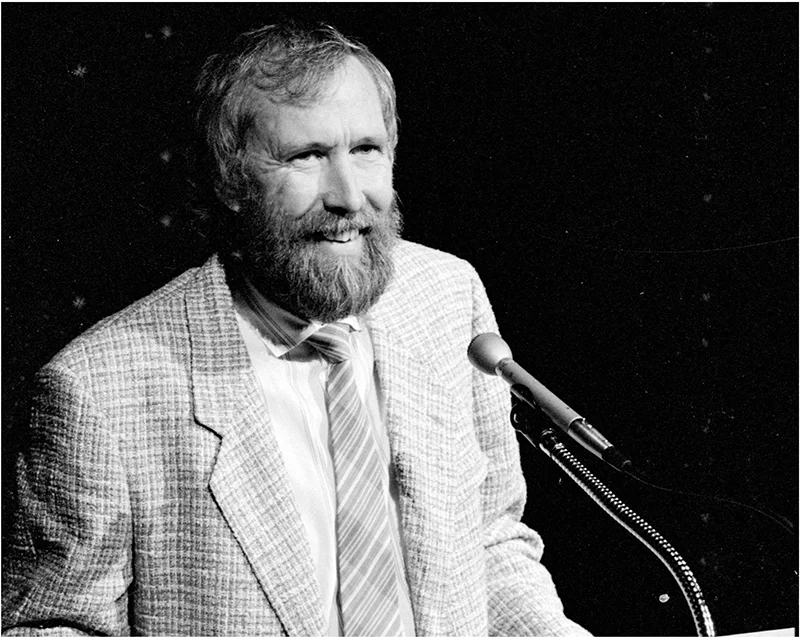
Henson’s association with AFI began in 1983 at the AFI Life Achievement Award for John Huston. After he attended the event and saw firsthand the Institute’s commitment to the art form, Henson soon after became an AFI Member and a contributor to the Institute’s ongoing mission. Taking an interest in AFI’s educational programs – particularly those of the AFI Conservatory (then called the AFI Center for Advanced Film and Television Studies) – Henson visited the Campus in 1986 to lead a Master Seminar for AFI Fellows, and then again in April 1989. That same year, he would also receive a special honor at AFI FEST; looking at his career trajectory from humble beginnings to a vaunted place as one of the artistic community’s most beloved creators, AFI’s “Tribute to Jim Henson” featured a live interview between Henson and film scholar Leonard Maltin.
Those “humble beginnings” started when Henson was a teenager, curious and with a passion for storytelling. Finding another use for his mother’s green spring coat, Henson crafted an early version of a puppet named Kermit – and, at age 17, landed his first job performing with marionettes on a local morning television show. After several short-lived stints in local TV, Henson secured his own short-subject late-night television segment, following the news – a live puppet program called SAM AND FRIENDS (1955–1961), which he co-created with his college classmate and future wife, Jane Nebel. Henson and Nebel would win a regional Emmy® for their work on SAM AND FRIENDS, just a few years before Henson earned an Oscar® nomination for his 10-minute experimental short TIME PIECE (1965).
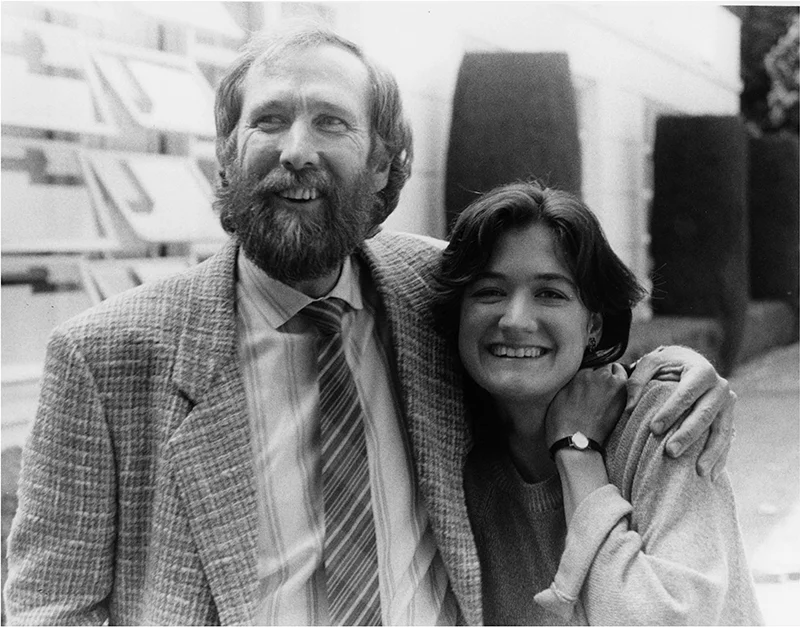
“I started in this business knowing absolutely nothing about puppetry,” Henson said during his 1986 AFI seminar. “I actually went to a library and got a book on puppetry to figure out how to build puppets. After performing for a while and getting into it, I traveled around Europe one summer and met other puppeteers for the first time. It was at that point I realized that puppetry was an art form, a valid way to do really interesting things. I came back from that trip all fired up to do wonderful puppetry. My enthusiasm for this art form hasn’t diminished at all over the years, nor has my enthusiasm for television. I still love them both.”
Henson’s career took off with SESAME STREET (1969–present), a television show for preschoolers — a previously underserved demographic. The project was conceived by Children’s Television Workshop co-founder Joan Ganz Cooney as a means to use television for education as well as for entertainment – a concept that was entirely novel in the late 1960s – making early education more accessible for children of lower-income families. Cooney hired Henson early in the show’s development, and the young puppeteer’s creative input helped shape its format and tone – including the creation of Bert and Ernie, Grover, Cookie Monster and Big Bird, all characters so iconic that they continue to entertain children today, nearly 60 years later.
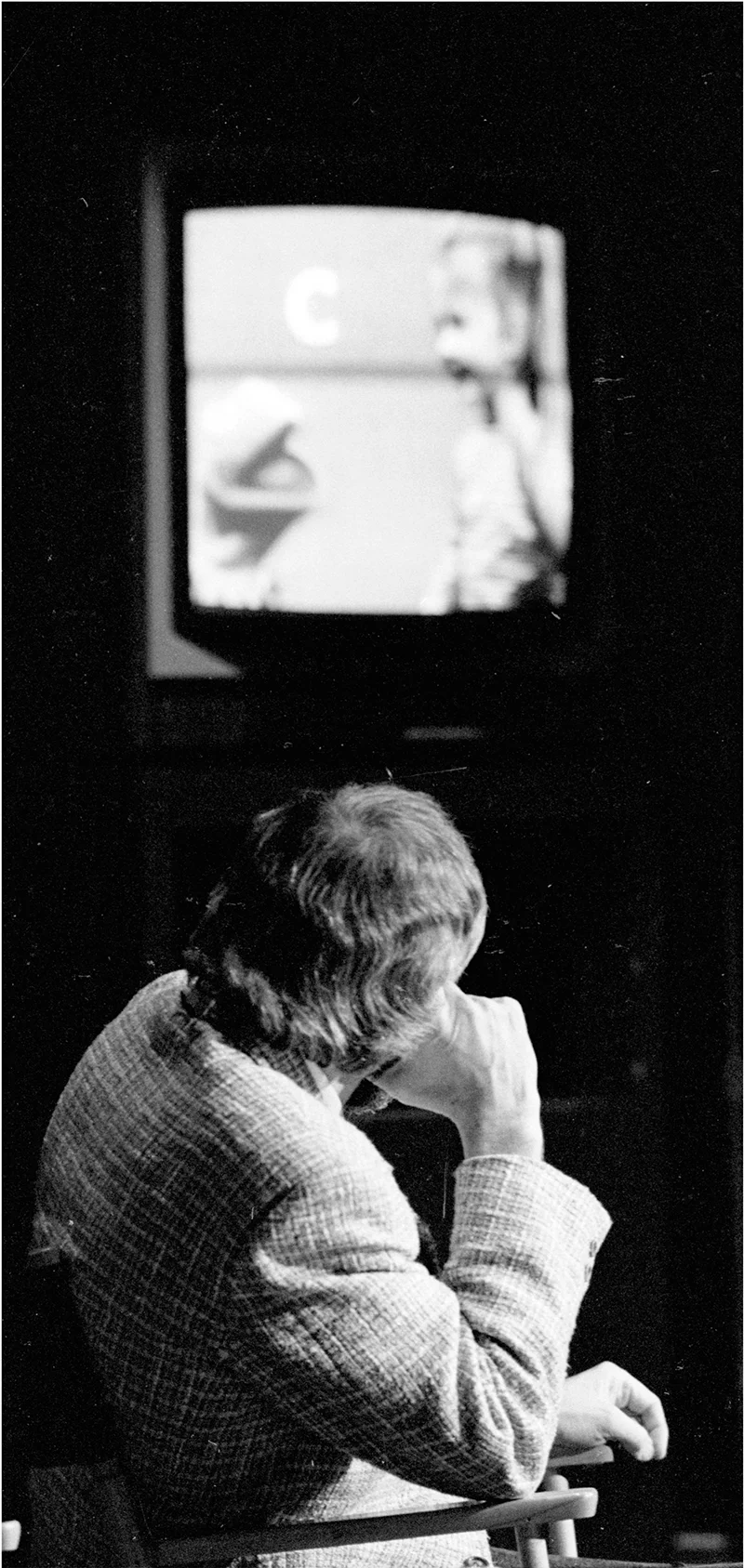
“One of the things that’s fun about a television set is that it’s very much like a Punch and Judy booth, if you think about it,” Henson said. “One of the things we were doing from the time we started in television was to try to get rid of a puppet stage effect. We wanted the characters to look like they were out there in real space. Usually, we tried to work without anything in front of the characters. In a traditional puppet booth, the characters are behind some sort of wall. One of the main things we’ve always tried to do is eliminate that wall, so that the characters are more directly there. There’s something a good deal more present about it if you don’t separate the puppets and the audience by putting a wall between them.”
After only one season, SESAME STREET reached more than seven million children – and continues to air to this day, holding the record for the longest-running nationwide broadcast of children’s television. Cooney credits much of the program’s success to Henson, referring to him as “our era’s Charlie Chaplin, Mae West, W.C. Fields and Marx Brothers…he drew from all of them to create a new art form that influenced popular culture around the world.”
Henson leveraged SESAME STREET’s success and platform to experiment with new animation techniques, and later brought his expertise in puppetry to a spin-off production, THE MUPPET SHOW (1976–1981).
Originally produced in the U.K. because it was initially rejected by all major U.S. television networks, Henson’s THE MUPPET SHOW earned an estimated audience of nearly 250 million viewers worldwide within its first three years and was described by TIME Magazine as “the most popular entertainment now being produced on Earth.”
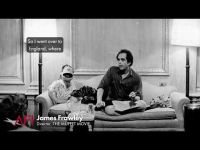
The success of the series allowed Henson to move into feature films, beginning with THE MUPPET MOVIE (1979), which he produced, and James Frawley directed. It became one of the year’s highest-grossing pictures, and its theme song – Kermit the Frog’s “The Rainbow Connection” – received an Oscar® nomination for Paul Williams and Kenny Ascher, who also earned a nomination for Best Original Score. The song was later included on the American Film Institute’s list of the art form’s greatest songs – AFI’s 100 YEARS…100 SONGS.
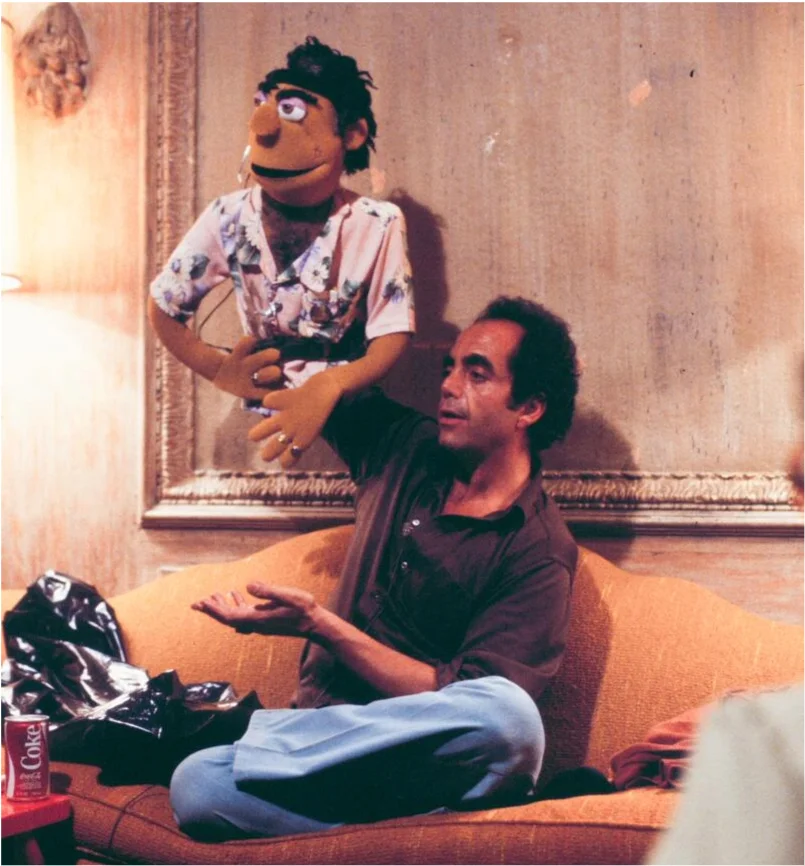
Henson made his feature directorial debut with THE GREAT MUPPET CAPER (1981), followed by THE DARK CRYSTAL (1982) – which he co-directed with Frank Oz, a friend and longtime collaborator who had originated the voices for Cookie Monster, Bert and Grover on SESAME STREET and Miss Piggy, Fozzie Bear and Animal on THE MUPPET SHOW.
Henson returned to the small screen with FRAGGLE ROCK (1983–1987), a television show set in an underground fantasy world which gave him the opportunity to develop and test novel technologies – such as radio-controlled puppets – that he later used in LABYRINTH (1986), his final feature film as a director.
“A lot of what puppetry is all about is giving the audience half of the information and letting its imagination fill in the other half,” he said during his 1986 seminar, of the craft that had become his signature and his legacy. “That’s one of the things that’s really fun and challenging about it… Puppetry is almost the same thing [as radio], except it’s visual. You’re doing a very limited, stylized version of something and the audience is providing the belief, the rest of the life. The audience is meeting you halfway.”
Henson passed away in May 1990 at the age of 53 from toxic shock syndrome – a tragic and untimely death for one of American film’s greatest creative spirits, whose singular contributions to the art form continue to enchant, entrance and enthrall audiences of all ages.
![Wiki commons.... Bernard Gotfryd. Public domain [1971]](https://prdaficalmjediwestussa.blob.core.windows.net/images/2026/08/AFI26-Spotlight-InFocus-pages-8.webp "AFI26 Spotlight-InFocus pages-8")

The AFI Archive is an ongoing program which adds countless new items each year, including exclusive conversations with acclaimed filmmakers and performers captured at AFI, and is at the forefront of state-of-the-art digitization efforts ensuring the stories of today are protected for future generations.
Support the AFI Archive and AFI Catalog to protect the history of film.
Comments (1)



Donate today and join the nation’s strongest community of film lovers.
AFI is a 501c3 non-profit advancing the art of the moving image by empowering storytellers and inspiring audiences

Peter Clothier
Nice tribute to a man who made an immeasurable contribution and brought joy into the lives of millions of children, including my own, and their children. Thank you, Jim. The world misses a man like you today. And thanks to AFI for a timely reminder.