




July 1, 2026
June 24, 2026
Protected:
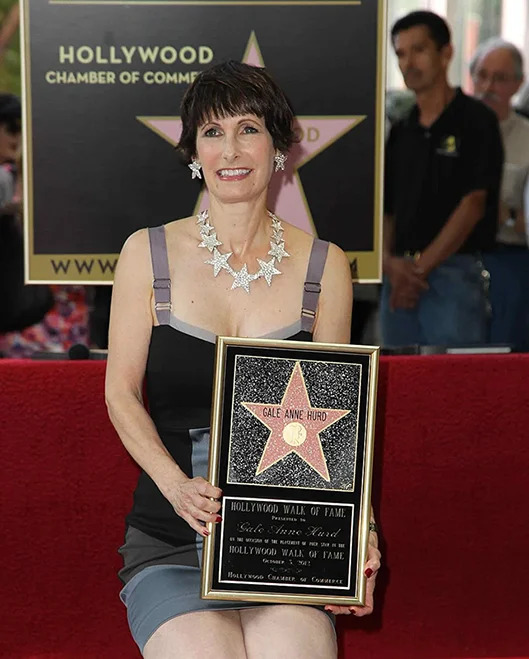
Gale Anne Hurd and ALIENS (1986) – AFI Catalog Spotlight
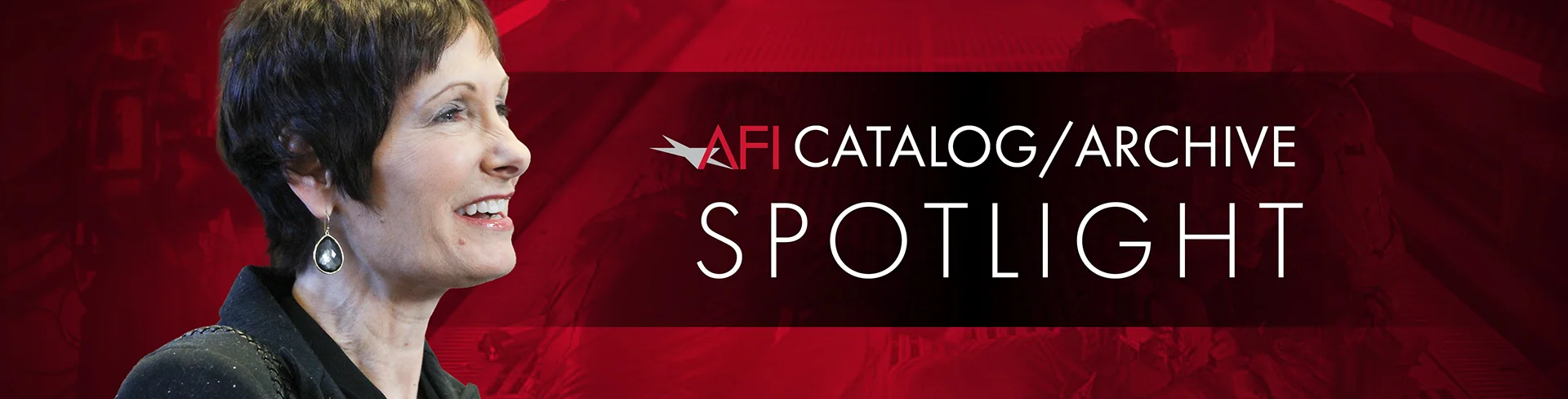
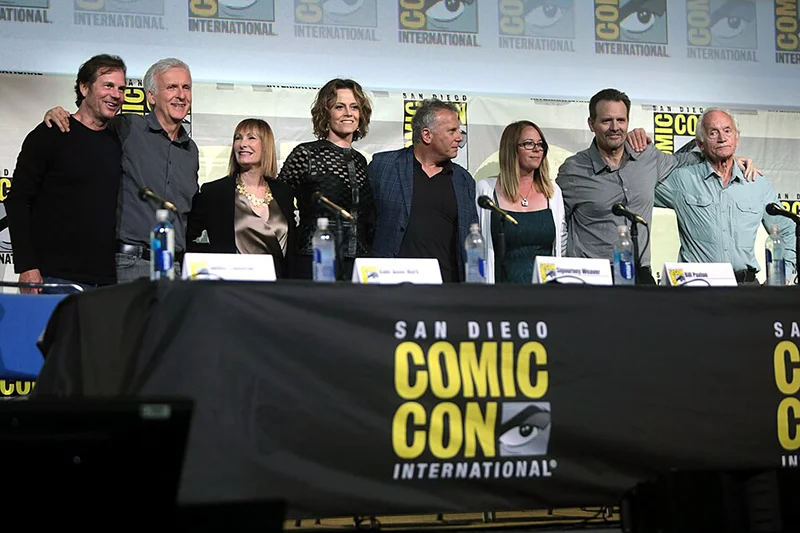
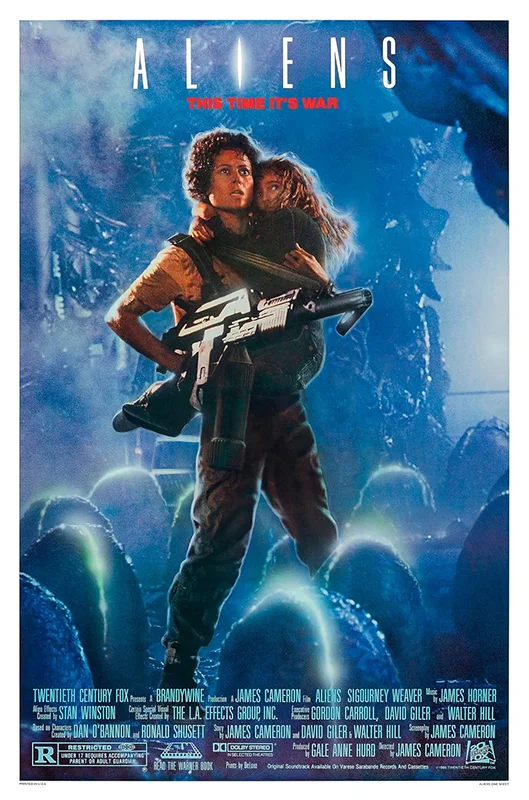
Produced by AFI Trustee Emerita Gale Anne Hurd, ALIENS (1986) became the sci-fi sensation of the summer when its horde of slavering xenomorphs invaded cinemas 40 years ago this month. A follow-up to Ridley Scott’s slow-burn 1979 masterpiece ALIEN, the action-packed sequel was directed by James Cameron – only his third feature after PIRANHA II: THE SPAWNING (1982) and THE TERMINATOR (1984) – and marked the second feature collaboration between Hurd and Cameron, who had married in 1985 after having recently completed work on THE TERMINATOR. Reimagining the universe of Scott’s original film as a vehicle for Sigourney Weaver’s now-iconic Lieutenant Ellen Ripley to become arguably among the first real female action heroes of the silver screen, it seems, in retrospect, a foregone conclusion that ALIENS – and Cameron himself – would become part of cinema history.
But none of it would have been possible without Hurd.
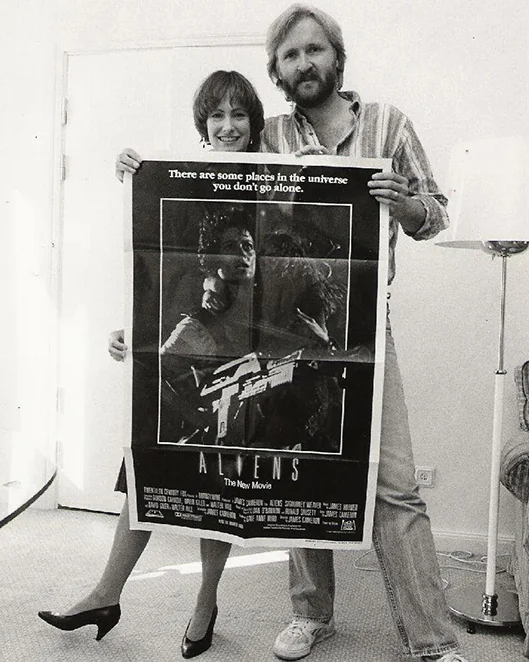
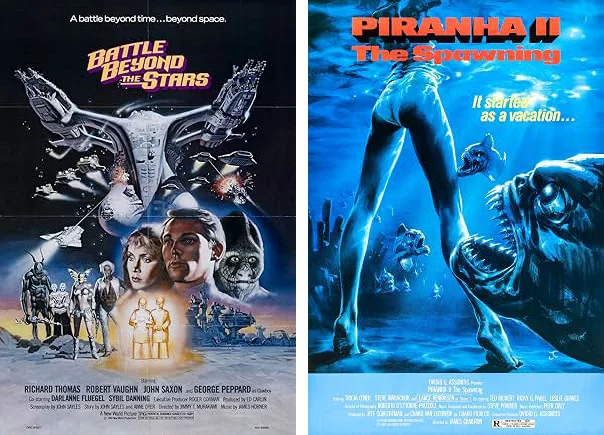
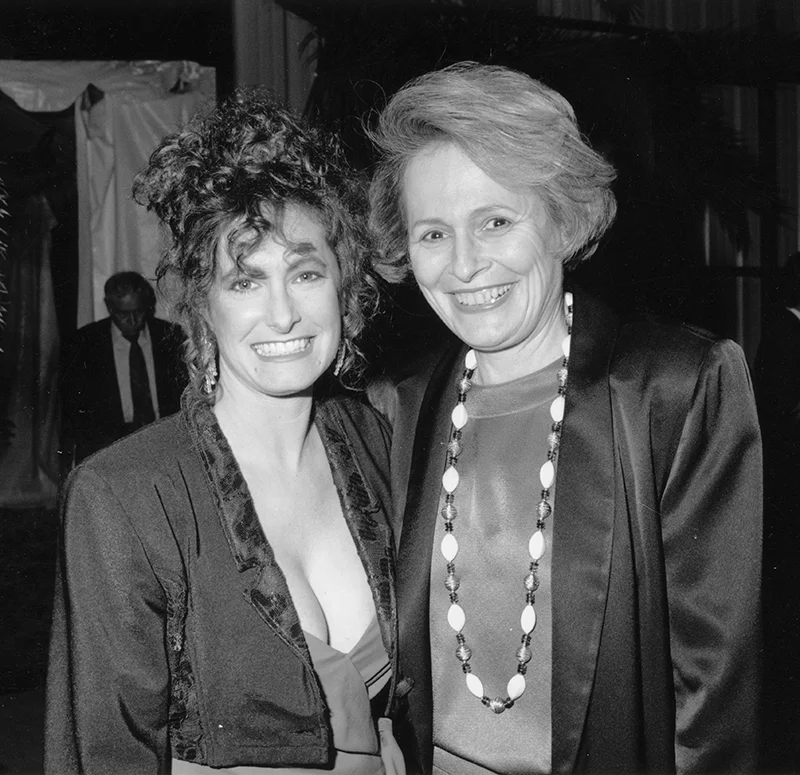
In a 1990 seminar with AFI Fellows, Hurd recounted that only a decade prior to ALIENS she had been working in various capacities for Roger Corman at his New World Pictures for a meager weekly wage of $100. It was there that she met Cameron on the set of BATTLE BEYOND THE STARS (1980), where she was an assistant production manager and he was a model builder.
As is not uncommon in film production – but especially so for a Corman production – best laid plans can go astray, and Hurd was tasked at the last minute with finding a new art director. Based on his drawings of the set – and the need for a quick decision – Hurd hired Cameron. According to Hurd, she and Cameron found that working for Corman instilled the belief that anything is possible, no matter the budget.
Gale Anne Hurd on Producing ALIENS








Hurd later attributed her tenacity and success as a producer – in a field almost entirely comprised of men – to her mentorship with Corman. As she said in her AFI seminar from 1990,
“On ALIENS, I actually had someone say to me, ‘Why in the world do you think I should believe that a little girl like you can produce a big movie like this?’ as if stature and physical size had something to do with it.”
Hurd and Cameron would later join forces to make THE TERMINATOR – Hurd producing, with Cameron directing – a film reportedly conceived by Cameron during a fever dream on the ill-fated production of PIRANHA II, his feature directorial debut.
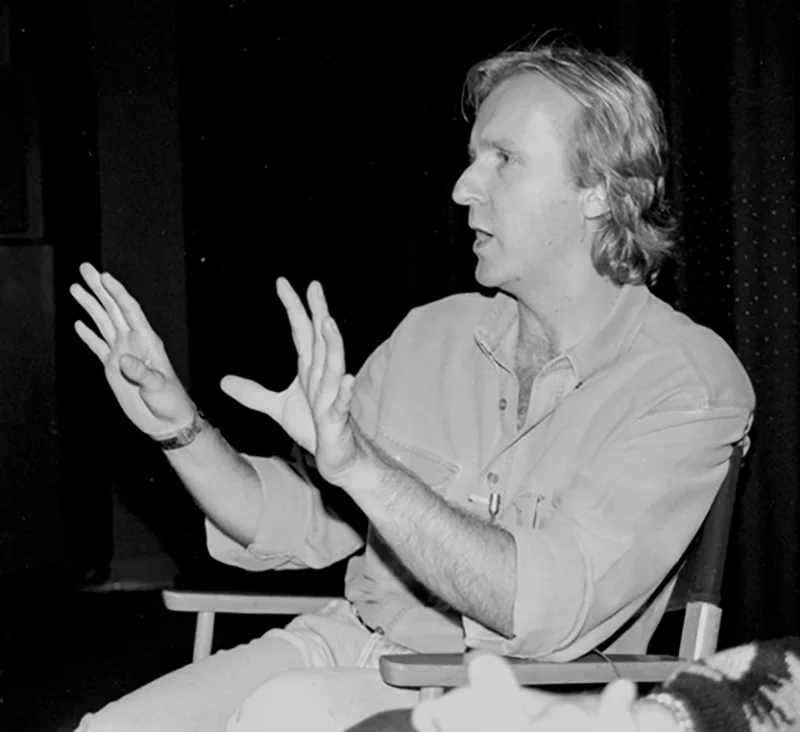
It was a hit – and the strength of Cameron’s script for THE TERMINATOR convinced producer David Giler to ask him for a treatment for ALIENS. Cameron was initially reluctant because – as he said in a July 1986 interview with the Los Angeles Times – he considered ALIEN to be “almost the perfect movie.” But he saw an opportunity to create a hybrid of THE TERMINATOR and ALIEN, feature a strong female protagonist in an existentially dire situation.
But Fox was reportedly lukewarm about a follow-up to ALIEN due to the belief that a sequel would require an excessive budget. Hurd responded by using Corman and producer Lindsley Parsons as references. Despite their glowing reviews, Hurd faced so much resistance that she was counseled to accept a minimal salary. She refused, and her objection proved to the studio that she was a tough negotiator. ALIENS came in on time and on budget. Hurd noted,
“Whatever business you choose, there are things that you have to fight for that you believe in…as long as you continue to follow your personal ethos and you don’t violate that, you’re still being true to yourself.”
The final budget for ALIENS was approximately $18.5 million before marketing, roughly $8 million more than its predecessor. The sequel grossed $10 million in its opening weekend – nearly three times the earnings of ALIEN at its release – and went on to bring in more than $86 million at the domestic box office, becoming one of the most popular films of 1986. ALIENS won two Academy Awards® – for Sound Effects Editing (Don Sharpe) and Visual Effects (Robert Skotak, Stan Winston, John Richardson, Suzanne Benson) – and was nominated for five additional Oscars® in the categories of Actress in a Leading Role (Sigourney Weaver), Art Direction (Peter Lamont and Crispian Sallis), Film Editing (Ray Lovejoy), Original Score (James Horner) and Sound (Graham V. Hartstone, Nicolas Le Messurier, Michael A. Carter, Roy Charman). Weaver was also nominated for a Golden Globe. The surprise success of THE TERMINATOR ultimately secured Cameron’s role as director of ALIENS.
And beyond her contributions to leveling the playing field via the art form itself – with ALIENS and THE TERMINATOR and beyond – Hurd has also been a longtime supporter of AFI’s DWW+, founded in 1974 as the AFI Directing Workshop for Women, a pioneering, tuition-free program and one of the first gender impact programs of its kind in the cinematic arts, as well as one of the longest-running and preeminent film and television workshops nationwide.
The financial and critical success of ALIENS showed there was a market for female leads in mainstream Hollywood storytelling; Weaver’s Ripley was later named by AFI among the greatest screen heroes of all time, providing a template for other iconic characters like Trinity (Carrie-Anne Moss) in THE MATRIX (1999), Katniss Everdeen (Jennifer Lawrence) in THE HUNGER GAMES (2012), Furiosa (Charlize Theron) in MAD MAX: FURY ROAD (2015) – and Sarah Connor in Cameron’s own TERMINATOR sequel, T2: JUDGMENT DAY (1991).
“I watched her learn and practice the craft of producing with brilliant intellect and fierce determination,” said Cameron of his collaborations with Hurd. “Encountering so many headwinds because of her gender but overcoming them with grace and discipline and raw grit. I can safely say these films would not be made without her.”

The AFI Archive is an ongoing program which adds countless new items each year, including exclusive conversations with acclaimed filmmakers and performers captured at AFI, and is on the forefront of state-of-the-art digitization efforts ensuring the stories of today are protected for future generations.
Support the AFI Archive and AFI Catalog to protect the history of film.
Comments (0)



Donate today and join the nation’s strongest community of film lovers.
AFI is a 501c3 non-profit advancing the art of the moving image by empowering storytellers and inspiring audiences
