




October 1, 2026
September 29, 2026
Protected:
CARRIE – AFI Catalog Spotlight
‘Tis the season when shadows begin to lengthen, and terrifying tales told in the flicker of light and darkness capture the collective imagination of audiences.
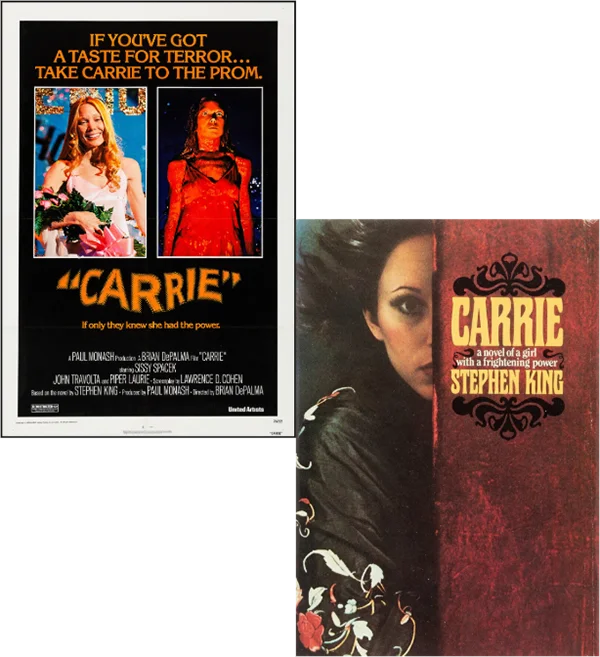
Celebrating its 50th anniversary this year, director Brian De Palma’s CARRIE (1976) has long been a seasonal staple for its timeless terror, casting its spell with hair-raising thrills and a coming-of-age narrative that culminates in one of cinema’s most iconic – and literal – bloodbaths.
Adapted from Stephen King’s 1974 book of the same name, CARRIE marked the first feature film adaptation of King’s work – and, in fact, King’s “Carrie” had been the author’s first published novel. Since that time, King himself has been dubbed the “King of Horror” and has published more than 65 novels, which have collectively been the source material for over 100 movie, television and stage productions — including such iconic genre mainstays as THE SHINING (1980), MISERY (1990) and IT (2017).
In an interview from the AFI Archive, Sissy Spacek reflects on her iconic performance in CARRIE.








According to King’s book “On Writing” (2000), he and his wife Tabitha “Tabby” were struggling to make ends meet when he first sat down with the idea for “Carrie” – something that had come to him several years prior while he was working as a high-school janitor. Tabby, also a writer who was at the time holding down a job at Dunkin’ Donuts took notice when her husband threw away the typewritten beginnings of “Carrie” and rescued the crumpled first three pages from the garbage. King feared he was incapable of representing his female characters authentically, but Tabby promised to advise him from a woman’s perspective and insisted he continue the story. The finished novel was picked up by Doubleday for $2,500 — nearly half of King’s yearly salary at the time — and when the paperback rights later sold for $400,000, Tabby wept.
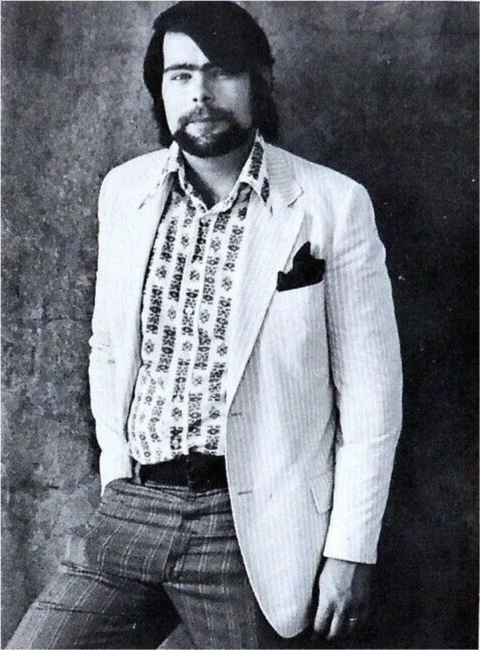
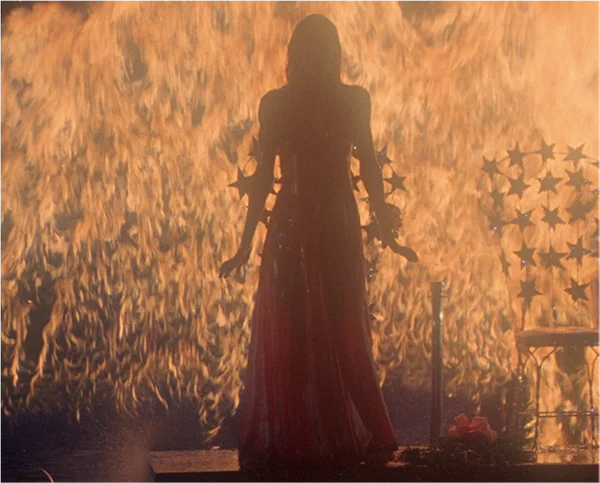
King has since said that Carrie’s story was a response to feminist issues that were surfacing with new significance in the 1970s; according to King in his book “Danse Macabre” (2010), he recognized an “uneasy masculine shrinking from a future of female equality” in American culture and tapped into that collective anxiety to explore the fears surrounding women’s changing roles in society. Another notable – and timely – aspect of the story was its subversion of a genre that had traditionally centered male protagonists. King focused instead on a teenage girl, casting her as a compelling anti-villain. When Carrie uses her supernatural telekinetic powers to violently take vengeance on her tormentors, it is horrific and murderous – but also a cathartic climactic act wherein she takes control of her fate. She emerges from her baptism by blood a powerful young woman and a victim no longer.
Star Sissy Spacek also saw Carrie as more than a conventional horror character. As she explains in an interview from the AFI Archive, “I didn’t want her to just be this weirdo. The most special thing about the character to me was that there was hope for her. There was a possibility for her to be neater than everybody.”
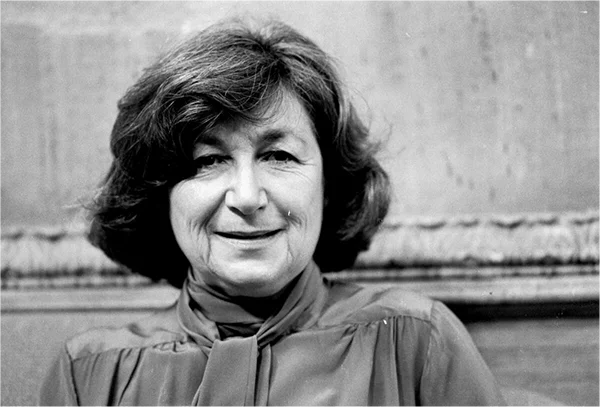
As documented in the AFI Catalog, the film adaptation of “Carrie” was championed at United Artists (UA) by Marcia Nasatir, Hollywood’s first female vice president of production. Speaking to AFI Fellows at a seminar in 1980, Nasatir described how she had advocated for CARRIE even before coming to UA – when she was still an agent – and that she originally sold the property to the film’s producer, Paul Monash.
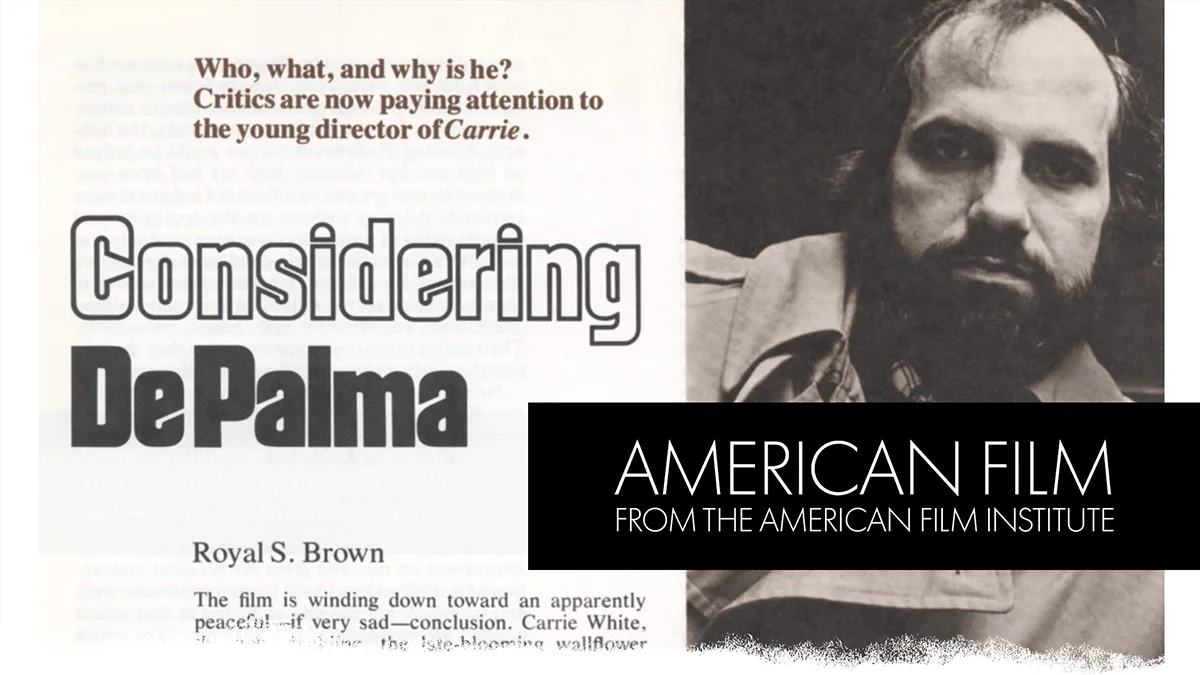
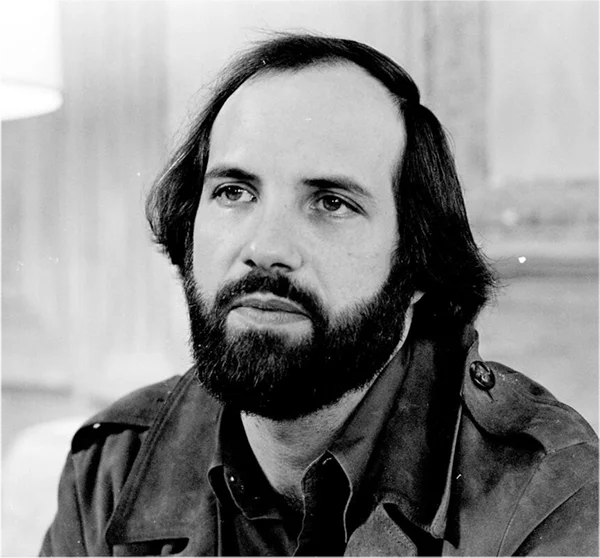
As De Palma remembers it in a 1977 interview in Cinefantastique magazine, he recognized the potential of “Carrie” even before Paul Monash secured the rights, having been introduced to the novel by a friend, and had tried to option the novel himself. He hoped that it might launch his career the way a 1975 horror movie about a shark had inarguably catapulted his friend and fellow director Steven Spielberg into the public eye. De Palma was ultimately given final cut of the adaptation and, as Nasatir told AFI Fellows during her seminar, “Brian made an enormous contribution to that script…and the final scene was his idea.”
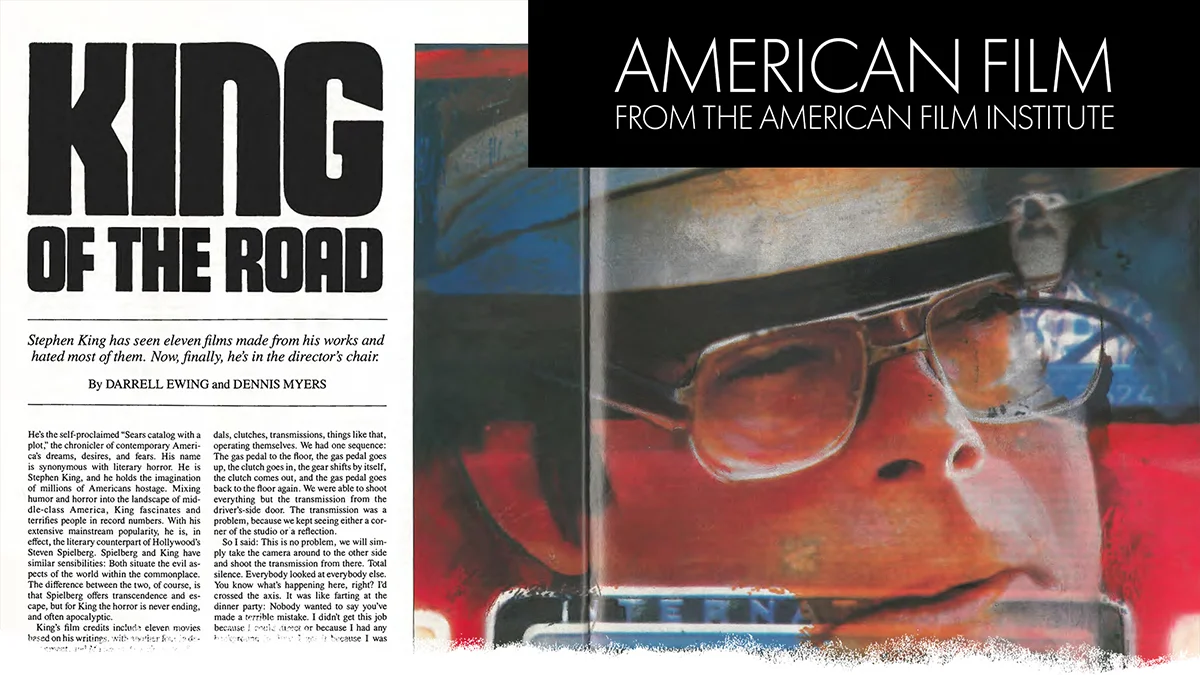
In the June 1986 issue of AFI’s legacy publication American Film, King described his first viewing of the completed film – a preview screening in Boston that he and Tabby had to drive from Maine to attend – recalling that the finale was one of the scariest scenes he had ever seen.
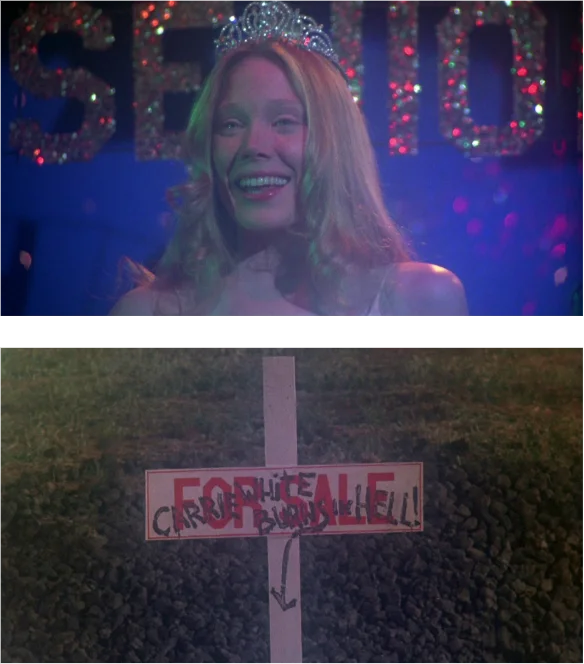
The Boston preview audience felt the same, though King wasn’t confident at the start; the predominantly African American house had been told they were there to see a Redd Foxx comedy, not a teen slasher.
“We thought: the audience is going to rate the hell out of this picture,” King told American Film. “What are they going to think about a skinny little White girl and her menstrual problems? And that’s the way it started, and then, little by little, they got on her side.” King said he heard several men behind him preparing to leave before the finale, but when Carrie’s hand erupted from her grave, they “screamed along with everyone else…and I knew it was going to be a hit.”
“All the characters have essentially positive motivations, whether they are good or evil,” he said. “You try to show that each character has a correct point of view… All these people are acting on essentially what they consider their best intentions, and they are all diametrically opposed. The whole good and evil thing is very relative.”
Made for approximately $1.8 million and grossing nearly $34 million, CARRIE was an enormous success for UA – and was at the forefront of a boom in what Nasatir called “women’s movies.” At her 1980 seminar, she told Fellows, “I think movies very often reflect what already exists…there’s been a revolution in this country for women and how it’s going to be shown on the screen, I don’t think anyone yet has really shown.”
In the summer of 1977, on the heels of CARRIE’s surprise success, De Palma spoke with American Film and ruminated on the film’s universal appeal.
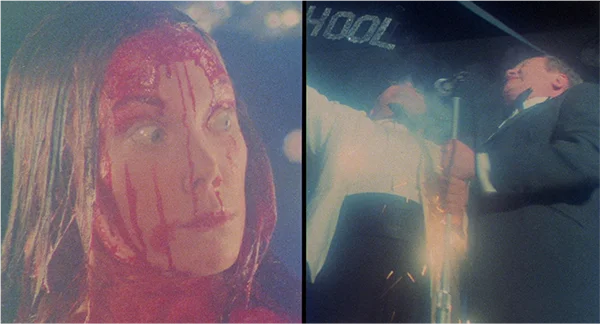
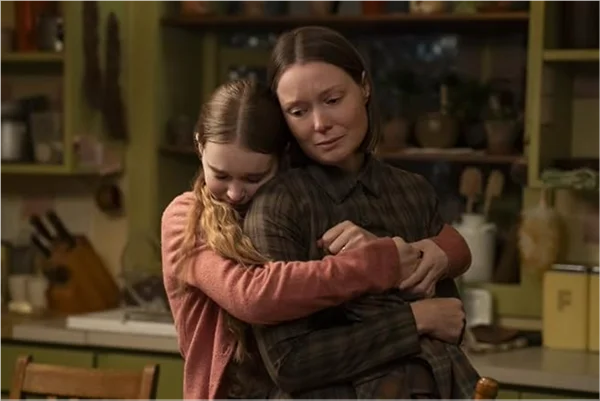
Both a product of its time and a timeless exploration of horror tropes that had previously polarized “good and evil” in its many incarnations, CARRIE shed – and sheds – light on a psychological gray area universal to the human experience, while at the same time providing a platform for feminine rage to take its proper place in the art form’s pantheon of righteous terror. Stars Spacek and Piper Laurie both received Academy Award® nominations for their chilling performances, and CARRIE was later included on AFI’s 100 YEARS…100 THRILLS list of the most heart-pounding American films. In 2022, it was selected by the Library of Congress for preservation in the National Film Registry in recognition of its vast impact on American popular culture. The story has proven its longevity and elasticity as a generational primal scream, sparking a franchise of sequels, remakes, reinventions and spinoffs – including a Broadway musical in 1988, a reimagining by director Kimberly Peirce (AFI DWW+ Artist-in-Residence for 2014) in 2013 and a new miniseries from Mike Flanagan set to debut this month on Amazon Prime Video.

The AFI Archive is an ongoing program which adds countless new items each year, including exclusive conversations with acclaimed filmmakers and performers captured at AFI, and is at the forefront of state-of-the-art digitization efforts ensuring the stories of today are protected for future generations.
Support the AFI Archive and AFI Catalog to protect the history of film.
Comments (0)



Donate today and join the nation’s strongest community of film lovers.
AFI is a 501c3 non-profit advancing the art of the moving image by empowering storytellers and inspiring audiences
